How Much Do Small Creators (5K–50K Followers) Actually Make from Affiliate Marketing in 2026 … and How
The Rise of the ‘Small-but-Mighty’ Creator
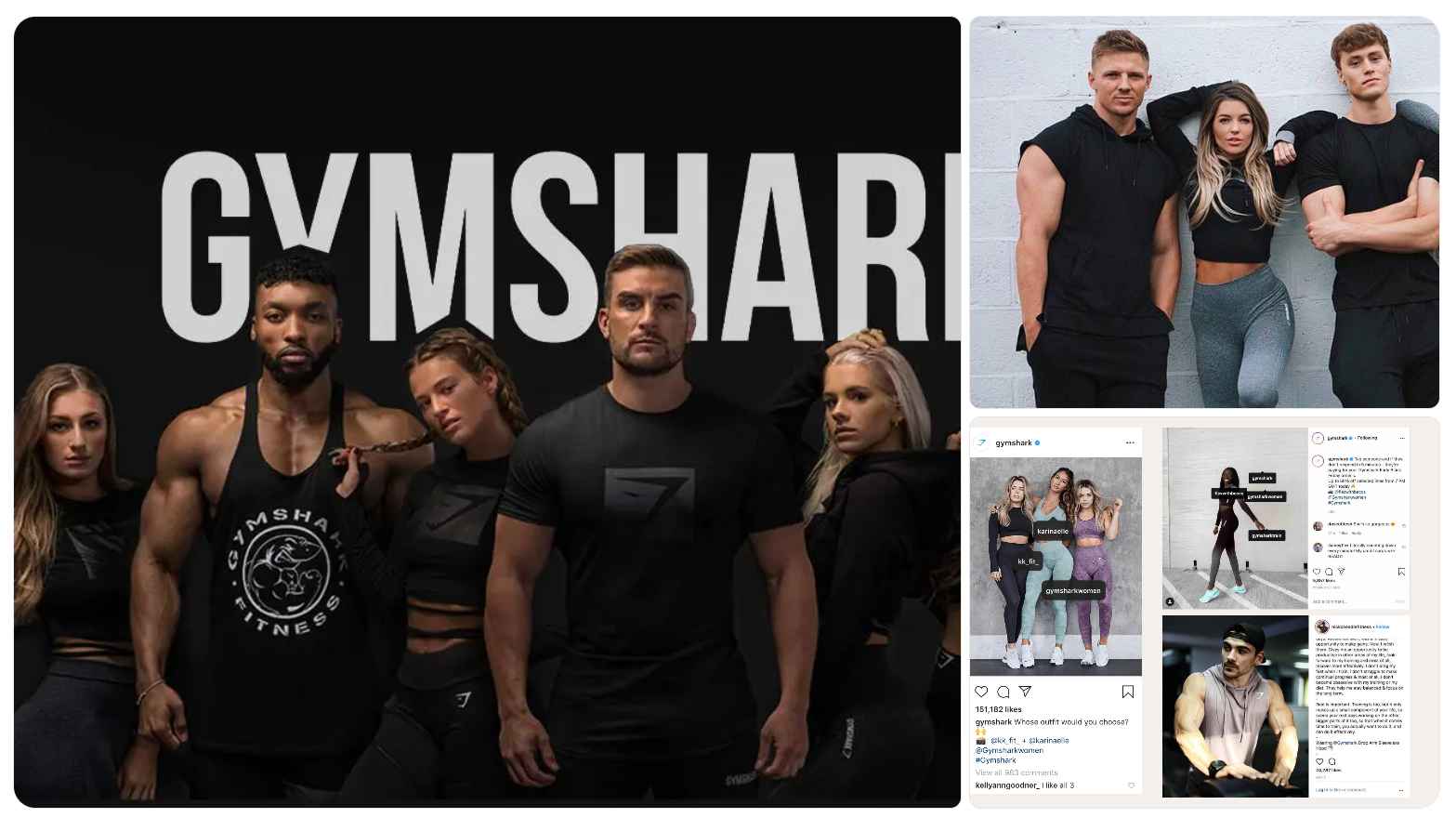
Micro-influencers may be all the buzz right now, but the idea isn’t new. While brands today are only beginning to shift serious budgets toward smaller creators and affiliates, one fitness startup cracked the code more than a decade ago. In 2012, Gymshark rejected the celebrity endorsement playbook and built its identity around everyday fitness creators with 5K–50K followers — people who genuinely influenced their gym communities. Within just two years, Instagram was filled with micro-athletes proudly wearing Gymshark, creating a movement that felt real, not manufactured. That grassroots strategy turned a garage brand into a billion-dollar company, proving that high-intent, high-trust communities can outperform high-volume audiences any day.
As social media matured and reached the influencer-lead era, where almost every creator is an entrepreneur in their own regard, brands have more than allocated big budgets to micro-influencer partnerships… and why wouldn’t they? The stats make their viability clear.
Micro-influencers boast an average engagement rate of 7.2%, compared to just 1.7% for macro-influencers. It’s not just numbers.. Micro influencers run close-knit communities where they exercise significantly higher influence than Macro influencers. In fact, 82% of consumers say they’re highly likely to follow recommendations made by micro-influencers, and 61% believe their content feels more authentic and trustworthy.
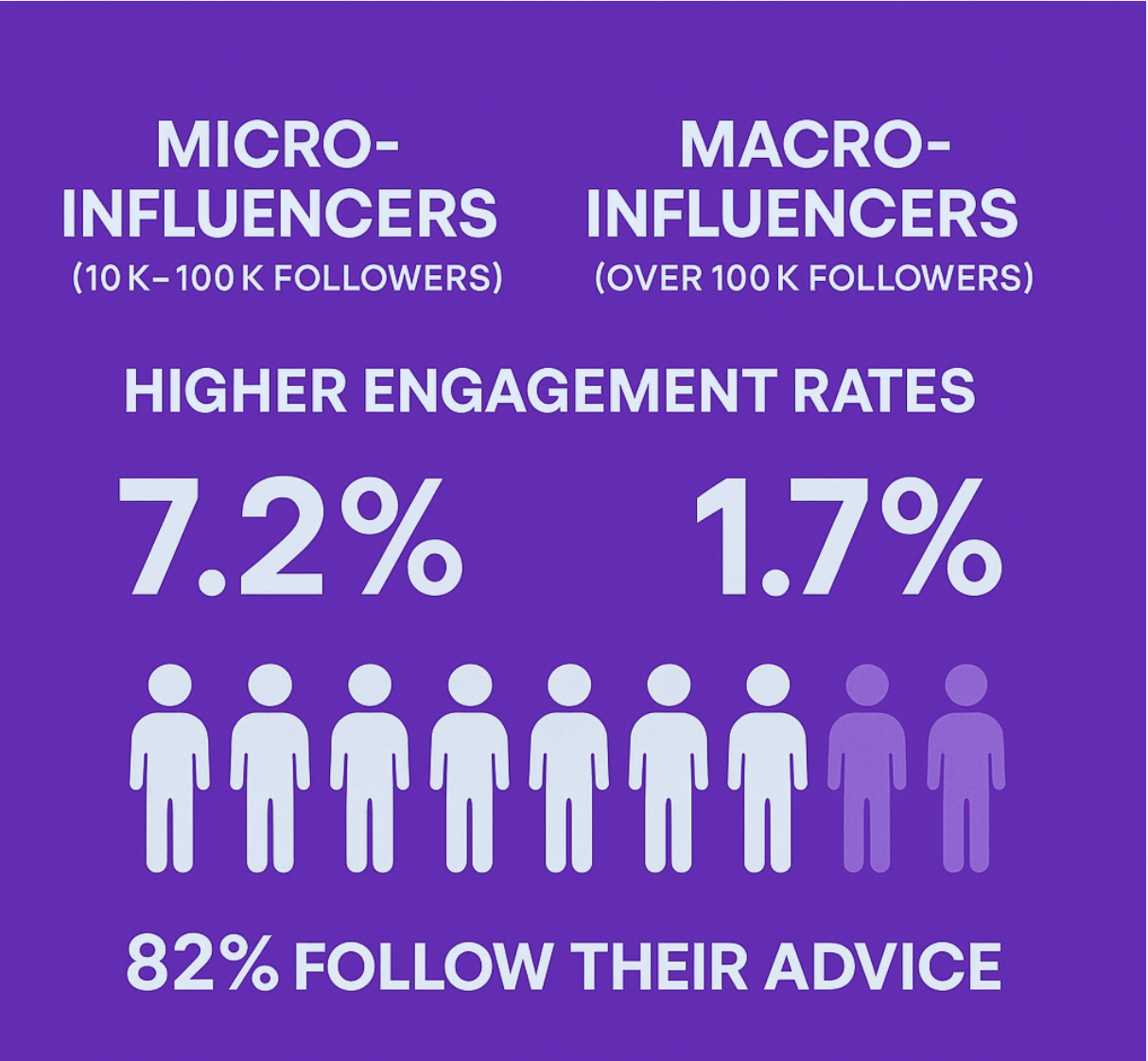
Data source: https://scoop.market.us/influencers-marketing-statistics/
In this article, we will cover what a micro influencer is, how they earn, how they grow with a very specific content strategy and the question you are truly here for: what do they make, and how they make what they make. Let’s dive right in.
What are micro-influencers?
Micro-influencers are influencers typically between 10,000 and 100,000 followers. Although lately, even influencers with as few as 5,000 followers have been performing exceptionally well when it comes to conversions.
Micro-influencers are not just creators on their way to becoming big creators or those who couldn’t grow further. They are creators who strategically position themselves this way to carve out a specific kind of business for themselves.
They are often niche creators… people who make in-depth content about a very specific topic and attract a niche following, that is, viewers who are interested in the same topic as them.
This is also why they share what’s called a para-social relationship with their audience, meaning their audience feels a legitimate, real connection with them, almost as if they know them personally.
This works brilliantly when it comes to conversions because their audience already has a very high level of trust in them. Over time, these creators have positioned themselves as opinion leaders in their space through consistent, authentic content. So when they recommend a product, it’s not just relevant … It feels personal, like a friend’s recommendation rather than an ad.But the rise of micro-influencer has more to it than ‘people trust them’. Brands love them.
Why Brands Love Micro-Influencers
Niche creators, by definition, don’t rely on vanity metrics …and brands love that. They’re not chasing likes or inflated reach; they’re focused on driving real conversions.
From both a sponsorship and affiliate perspective, micro-influencers deliver far better ROI. They offer authenticity, tighter communities, and a higher level of trust … all of which translate directly into sales.
Even from a cost standpoint, they’re the smarter investment. While macro-influencers often charge $1,000 or more per post, micro-influencers average around $250 and are often open to product-based collaborations. The result? Higher ROI, stronger loyalty, and repeatable conversions.
But what truly sets micro-influencers apart is that they don’t always depend on brand sponsorships. In many ways, they’re more entrepreneurial than macro creators, who are often visibility-driven rather than conversion-driven. Micro and niche creators swear by affiliate links, because they trust their own ability to drive results.
Many are part of programs like Amazon Associates, and some even seek out affiliate networks that offer higher commissions for the same products. This mindset gives them a powerful edge … by the time a brand discovers them, they’ve already proven their ability to convert. For brands, that makes partnering with micro-influencers less of a gamble and more of a guaranteed return.
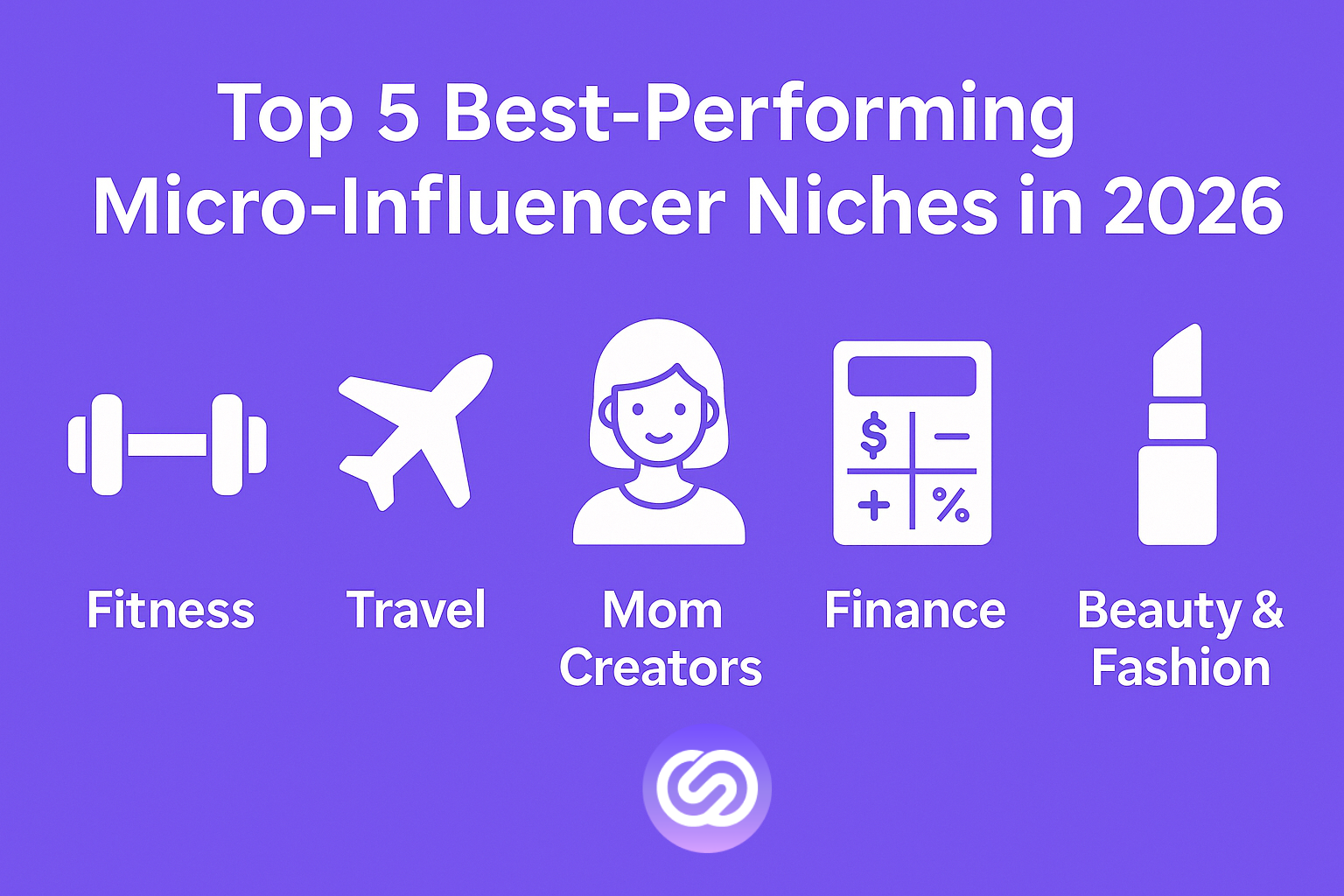
Top 5 Best-Performing Micro-Influencer Niches in 2026
1. Fitness
Fitness runs on trust. Viewers look for advice, routines, and product recommendations from people who live the same kind of life they aspire to — relatable, disciplined, and real. They want motivation, science-backed insights, workout videos, and conversations that make them feel part of a community. Fitness is also a physically and emotionally delicate topic where advice holds real weight, especially when it comes from certified trainers or experienced enthusiasts. That’s why fitness creators have such high conversion potential. When they recommend a supplement, gear, or apparel, people listen and act.
Studies published by Influencer Marketing hub shows that micro-influencers with followers between 10-50k in the fitness niche tend to see 3 times higher engagement rates than macro influencers.
What fitness affiliates and creators sell:
Fitness affiliates and creators sell a plethora of products that fall within their category. This includes fitness equipment, fitness fashion, Protein powders and products, fitness based books, healthy packaged food, recipes, courses, fitness plans and all other consumable commodities that may be useful for the fitness community.
2. Travel
Travel content has always been magnetic. People love seeing creators explore new places, cultures, and ways of life. Micro travel influencers drive strong engagement because they feel more accessible and authentic than luxury travel vloggers. Their experiences look achievable, not aspirational, and that’s exactly what drives clicks and conversions. Travel content has seen a tremendous surge. According to the original data from TikTok, the app has seen a 410% increase in travel content views since 2021. In fact, the reliance on travel content is not even passive anymore. 37% of Americans voluntarily turn to Instagram for travel advice, plans and insights… and of course shopping.
What travel affiliates and creators sell: Travel creators are at the sweet spot of brand integrations and affiliate marketing. Several product categories from shoes, bags, tents, walking sticks, power bar, travel fashion, skincare, snacks, electronics and several things fall under the category that Travel creators can sell. On top of that, brands like travel agencies, flights, hotel chains etc are eager to partner with them to encourage their viewers to be attracted to the brands. And these recommendations are so powerful that 1 out of every 3 global consumers have booked a vacation because an influencer recommended it.
3. Mom-Influencers
Parenting content is a goldmine, and niche by nature. Today’s new-age mothers are meticulous yet anxious, constantly seeking a “virtual village” for guidance and reassurance. And mothers trust other mothers. When it comes to baby products, food, routines, or wellness advice, mom-influencers have unmatched credibility. Their recommendations carry emotional weight, making this one of the most conversion-driven niches online today.In the USA alone, women account for about 83% of all consumer purchase decisions, and the trend of mom-fluencers is further evidence for this.
What mom-fluencers and affiliates sell: Needless to say Mom-fluencers sell all products that concern new mothers and their toddlers. This includes Nutrition like protein for new mothers, snacks, medicines, Pregnancy fashion and lifestyle products, skincare, baby food, baby clothes, toys, books, toiletries and the list is almost endless.
4. Finance
The youth today wants financial literacy, but they want it explained simply and practically. That’s where micro finance influencers shine. They break down complex topics like investments, budgeting and taxes into clear, actionable advice.
They also build a very smart audience base. These are people who genuinely want to improve their money habits, so they naturally trust creators who make finance feel less scary. This is why finance creators convert so well. Their followers are already in a decision-making mindset, and brands know this. Apps, fintech platforms, credit card companies and even banks love working with micro finance influencers because their recommendations actually lead to sign-ups.
What finance affiliates and creators sell:They usually promote tools that help people manage or grow their money. This includes budgeting apps, personal finance books, stock or trading platforms, credit cards, debit cards, banking schemes, insurance products, online courses and workshops. Many of these come with high commissions or recurring payouts, so even creators with smaller audiences often make great affiliate income in this niche.
5. Beauty and Fashion
The internet practically runs on beauty and fashion content. But the real magic lies in niche beauty creators who speak to specific communities defined by age, skin tone, gender or style. These creators have real authority in their space, and every recommendation, whether a serum, lipstick or outfit, carries strong purchase intent.
Their audiences come with a discovery mindset. They genuinely want to know what to buy next, what is trending and what actually works. That is why beauty and fashion remains one of the strongest affiliate niches online. Even creators with a few thousand followers can generate impressive sales if their audience trusts their taste and experience.
What beauty and fashion affiliates and creators sell: They sell almost everything connected to personal style. This includes skincare, makeup, perfumes, haircare, clothing, jewelry, fashion accessories, shoes, bags, beauty tools, salon gadgets and styling courses. These products are easy to purchase without long decision-making, which makes conversions fast and frequent for creators in this niche.
The 3 Types of Small Creator Conversions
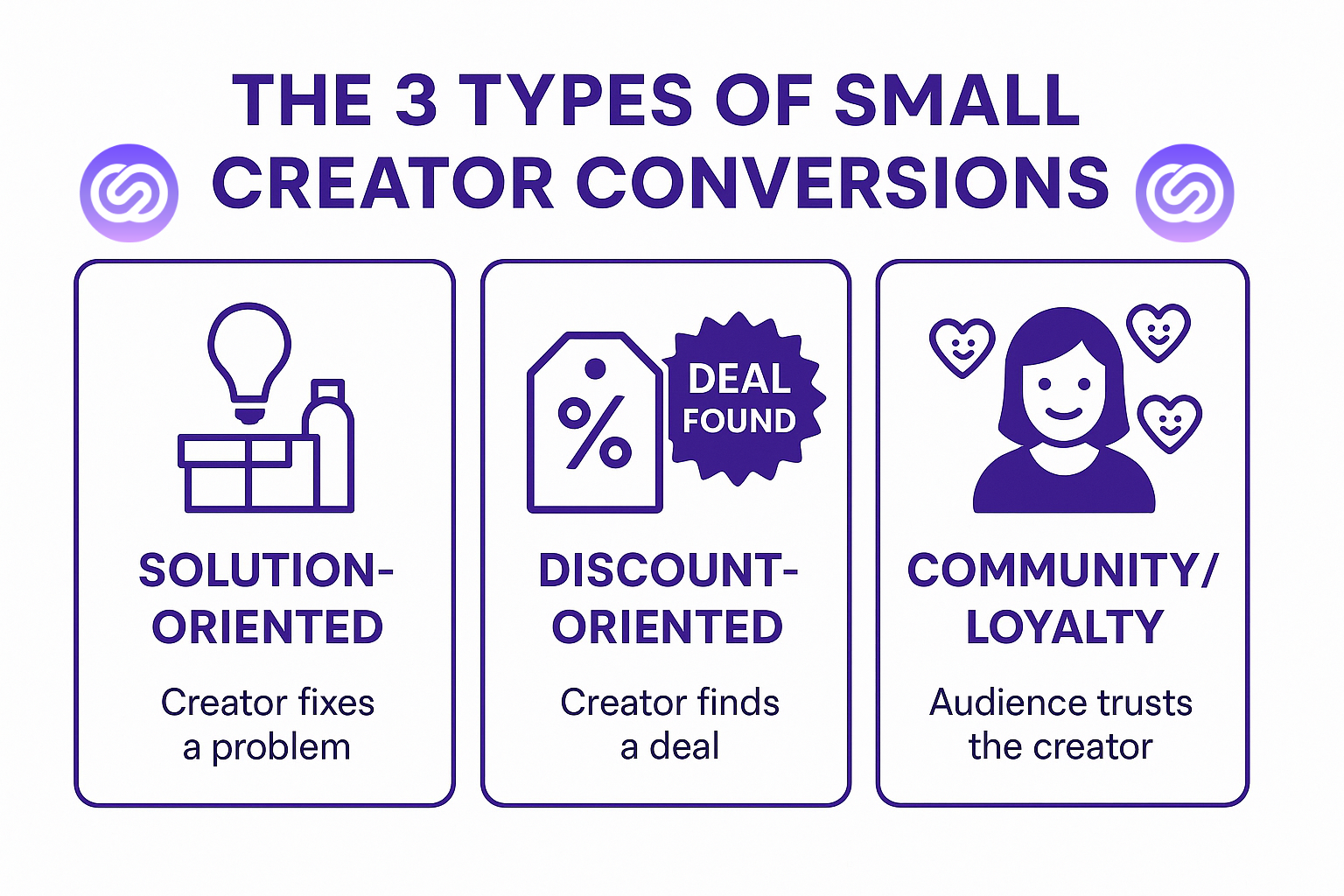
Small creators don’t just “convince” their audience to buy. They convert in very predictable patterns, and almost every successful micro-influencer falls into one or more of these conversion types. Understanding these makes it easier to see why small creators outperform big influencers when it comes to actual sales.
1. Solution-oriented conversions
This is the easiest and the most natural type of conversion. The audience buys because the creator solved a real problem for them. It can be anything from showing how to fix something at home using one product, to skincare creators explaining why a certain ingredient works, to a fitness creator recommending a piece of equipment that actually improves their workout. People love solutions and they trust creators who simplify their life, so these conversions happen quickly.
2. Discount-oriented conversions
This is pure FOMO energy. The audience buys because the creator found a good deal and they don’t want to miss out. This is why Amazon sale content, Flipkart Fest, budget hacks and under-500 recommendations do so well. People genuinely enjoy finding good deals and they rely on creators to curate the best ones. These conversions spike during sale seasons, but good discount-based creators convert consistently throughout the year.
3. Community and loyalty-based conversions
This is the most powerful one. These conversions happen simply because the creator said the product is good. The audience already trusts them so much that the recommendation feels like a friend telling them what to buy. Lifestyle creators who do “Amazon favorites” or “What I’m using this month” fall into this category. Over time, these creators build such a strong relationship with their followers that even simple recommendations convert extremely well.
How Much Do Small Creators Actually Make?
The truth is that how much a small creator makes depends completely on their model and not on their follower count. Some creators with 6,000 followers can make more income than creators with 40,000 followers simply because they have a tighter niche, stronger trust and a smarter conversion system. These numbers aren’t rules, they’re average ranges that many micro-creators in the U.S. fall into.
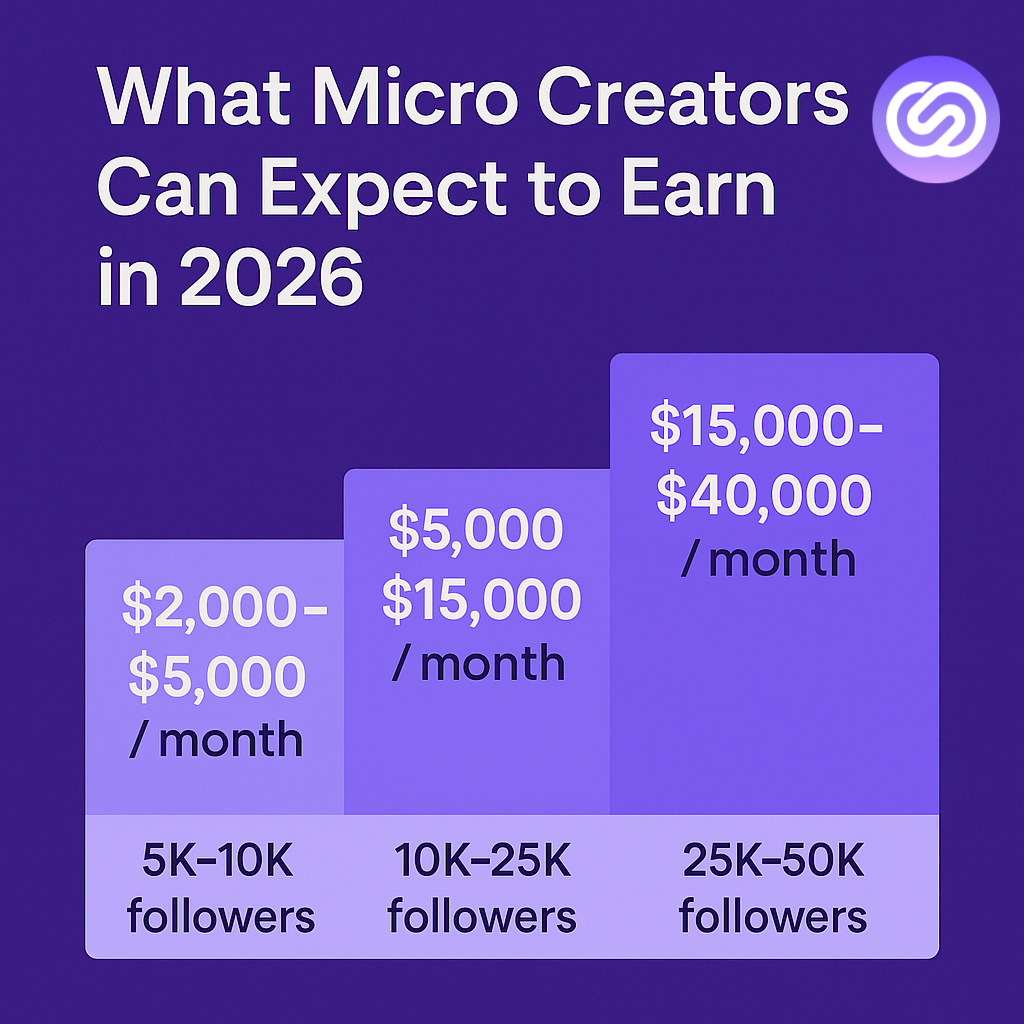
Creators with 5K to 10K followers usually earn somewhere between $2,000 to $5,000 a month.
Creators with 10K to 25K followers tend to bring in around $5,000 to $15,000 a month.
Creators with 25K to 50K followers can make $15,000 to $40,000 a month, especially if they operate in high-conversion niches like fitness, beauty, finance or parenting.
Most micro-creators don’t earn from just one source. Their income breakdown in the U.S. often looks like this:
- About 60% comes from affiliate programs (Amazon and other affiliate networks)
- About 30% comes from brand deals and collaborations
- The remaining 10% comes from subscriptions, tips, digital products or memberships
What’s exciting is that these numbers grow quickly once a creator understands their niche and audience. A creator who figures out how to improve their conversion rate by just a few percentage points can double their income — even if their follower count stays the same.
It’s honestly very tricky to peg exact numbers because how much a creator earns depends on SO many things… their niche, their content style, their effort, how consistent they are, how well their audience trusts them… it’s not follower count. It’s never follower count.
Still, the industry data does give us a fair idea of what micro creators and affiliates are making in the U.S. right now.
Industry stats show that a lot of micro-influencers with 10K–100K followers earn around $100 to $500 per sponsored post, which is actually great considering brands pay for trust, not volume.
Another study found that “mature affiliates” in the U.S. tend to average $8,000 to $10,000 per month, and around 81%of affiliate marketers make over $20,000 a year.
And affiliate marketing as a whole is exploding. By 2031, the global affiliate market is expected to pass $31 billion, which pretty much tells you how much brands rely on conversions now.
But let’s get practical.
What can you expect as a small creator… realistically?
Below is a breakdown by niche. These are not strict rules or promises or anything like that… but they’re honestly good patterns based on how micro creators grow when they actually take their niche seriously and stay consistent.
What You Can Expect to Earn as a Micro Creator — By Niche
Again, think of these as patterns, not numbers written in stone. A creator with 15K followers might make more than a creator with 40K followers in the same niche just because they’re better at conversions. It’s really that unpredictable… but in a good way.
(The data for this section is collected by the averages of the vast data of Amazon affiliate and social media micro creators collected by Hypelinks and not the published data of any single creator/affiliate.)
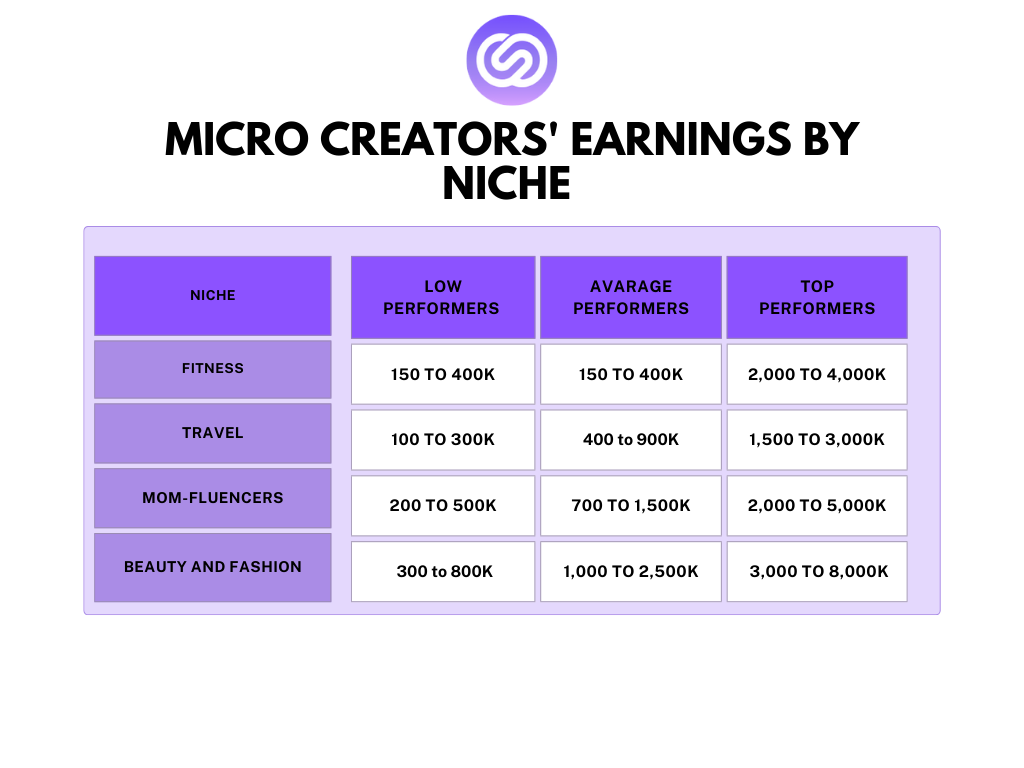
Fitness Creators
Follower count: 10K to 30K
Low performers: $150 to $400 per month
Average performers: $150 to $400 per month
Top performers: $2,000 to $4,000 per month
Why they earn this way:
Fitness creators convert extremely well because followers want to copy the creator’s exact routine. Workouts, supplements, equipment, leggings, bottles — fitness is a high-trust niche where people follow recommendations immediately. That’s why even micro creators at the top end earn strong, consistent monthly revenue.
Travel Creators
Follower count: 10K to 40K
Low performers: $100 to $300 per month
Average performers: $400 to $900 per month
Top performers: $1,500 to $3,000 per month
Why they earn this way:
Travel creators promote a massive variety of products: backpacks, tents, outfits, sunscreen, gadgets, skincare, and everything needed for trips. When they post itineraries, checklists, or “what I packed,” conversions spike. Plus, hotels, booking platforms, and travel brands LOVE micro creators because their content feels more authentic and aspirational than big accounts.
Mom Creators
Follower count: 15K to 40K
Low performers: $200 to $500 per month
Average performers: $700 to $1,500 per month
Top performers: $2,000 to $5,000 per month
Why they earn this way:
Moms trust other moms more than any brand, which creates extremely high conversion rates. Baby snacks, toys, routines, clothes, lotions, medicines, toddler accessories — parents buy these all year long. That’s why mom creators dominate micro-niche earnings and often outperform other categories even with small audiences.
Beauty & Fashion Creators
Follower count: 10K to 50K
Low performers: $300 to $800 per month
Average performers: $1,000 to $2,500 per month
Top performers: $3,000 to $8,000 per month
Why they earn this way:
Beauty and fashion are impulse categories — people buy quickly. Lipsticks, perfumes, outfits, jewellery, hair tools, accessories… everything sells fast. Micro creators who do “GRWM,” “monthly favourites,” “budget finds,” or “Amazon must-haves” see especially high conversion rates, which is why top performers in this niche earn the most.
A Final Note on Why This Works
You might have noticed something by now… in almost every niche, micro creators earn equal or even MORE from affiliate links than from sponsorships.
And that’s because micro creators are not here to be substitutes for ads or to give brands “visibility.”
They earn from direct conversion.
Their audience buys because they said it’s good.
And that trust is exactly what makes their affiliate income grow the fastest and the most consistently.
Why Micro Creators Need a Hypestore
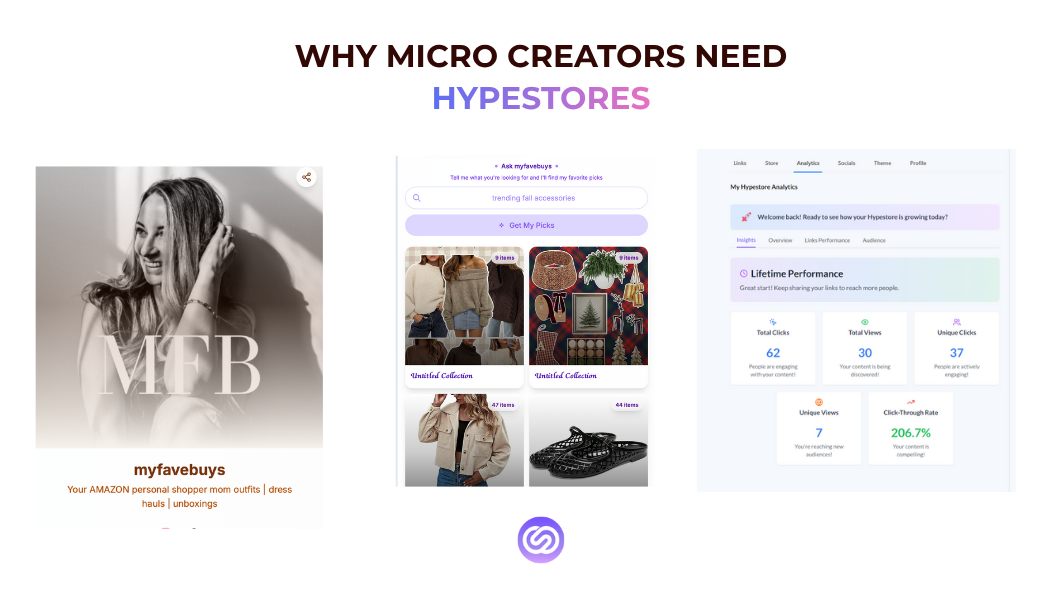
One of the biggest things micro creators need to understand is this — your content has compounding value.
Like seriously… every video, every haul, every “here’s what I’m using,” every routine… all of that keeps working for you for weeks and months, if your audience can actually find it again.
But the problem?
On Instagram or TikTok, your content basically has a 48-hour shelf life.
That’s literally it.
After that, it’s gone. Buried. Lost in the chaos of a million other posts.
So even if someone WANTED to buy the supplement you mentioned or the travel bag you recommended or that one baby lotion — they actually can’t… because they can’t find the post. They don’t remember which video it was. They don’t even know what to search.
This is exactly where a Hypestore basically saves your entire affiliate strategy.
It gives you one clean, permanent place where ALL your recommendations live.
Even if your posts get lost, even if your Stories expire, even if someone forgets where they saw your video — they always know:
“I’ll just check their store.”
And that’s where conversions come from.
Also, Hypestores are genuinely pretty.
Not like those boring linktree-style pages that look like a school project.
You can keep it on-brand — your colors, your vibe, your style — so your whole creator identity feels consistent.
That makes people trust you more, and honestly… the small aesthetic things matter when you’re building a niche audience.
The Do’s and Don’ts (especially for micro creators in 2026)
DO#1 : Do your product research
Don’t just promote random things because they “seem nice.”
Know the numbers.
Like:
- how many people are searching for this product
- is it actually selling
- is it trending or dead
- is it relevant to your niche
- does your audience actually care
Creators who know their products always outperform creators who guess.
DO#2 : Own your first-party data
The industry has changed. Completely.
Brands don’t look at follower count anymore.
They want creators with actual proof — clicks, conversions, sales…
Real performance.
And this is exactly why micro creators are winning.
Because they’re way more data-driven.
They rely on their real numbers, not vanity metrics.
Your Hypestore literally becomes proof of your influence.
Every click, every sale, every tiny detail is there.
DON’T #1 : Depend on one single platform
If the whole TikTok-ban fiasco didn’t scare creators straight, I don’t know what will.
Platforms are volatile.
Algorithms change.
Policies change.
Your account can disappear.
Nothing is stable.
This is why creators should always be on platforms like Hypelinks.com, where brands can directly reach you and even offer you higher commissions (sometimes up to 100%) for the EXACT same Amazon products you already promote.
It’s literally more stable and more money.
DON’T#1 : Be in a hurry
Creator income is not quick money.
It compounds.
Your trust compounds.
Your skill compounds.
Your niche awareness compounds.
Brands noticing you also compounds.
One day you feel like nothing is happening and then suddenly your income jumps.
But that only happens if you stay consistent and stop trying to “skip” steps.
Micro creators who stick to their niche and keep showing up honestly end up making more money than creators who chase trends.
In conclusion....
This is everything you need to know about how much a creator earns. And remember that these numbers are subject to a lot of unpredictable variables, the chief of which is your potential.
But remember, making money as a micro-creator is NOT about vanity metrics. It is about strategy.